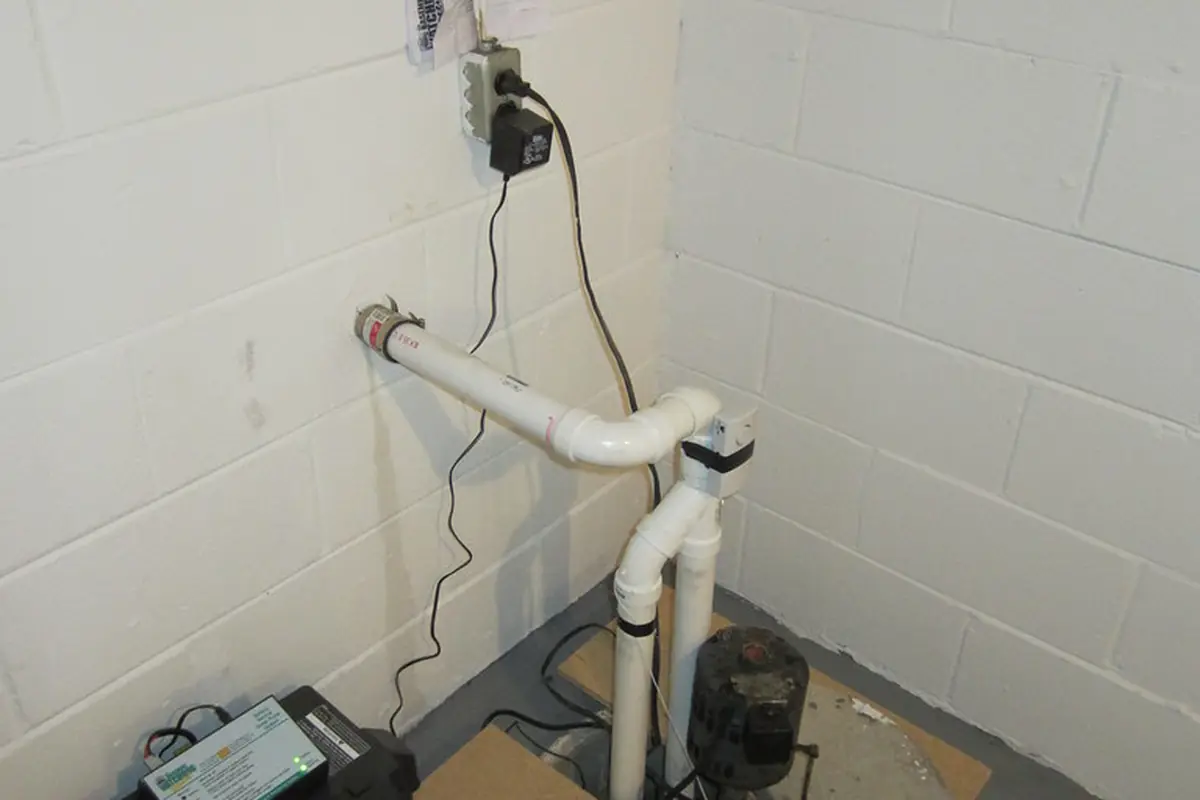
To test a sump pump before snowmelt, leave it plugged in, pour a bucket or two of water slowly into the pit until the float rises, and confirm that the pump turns on, empties the pit, shuts off cleanly, and that water exits freely outside. Then check the check valve, the discharge line, the backup pump and any alarm. The whole test takes about ten minutes.
Why late winter matters in Rochester
Rochester averages about 102 inches of snow a season, based on NOAA normals for the airport. Much of it is still on the ground in late February and March, piled against foundations and along driveways. When a warm rain arrives, that snow melts quickly over soil that is still frozen underneath. Water cannot soak in, so it rushes toward foundations and into footing drains, and the sump has to keep up. Homes on low ground near the Genesee River, Irondequoit Bay or the Erie Canal corridor feel this the most.
The ten-minute test
- Look in the pit. Clear debris, gravel or anything that could jam the float. Make sure the pump sits level.
- Pour water in. Use a bucket and pour slowly. The float should rise and the pump should start.
- Watch it run. The pump should lower the water steadily and shut off when the float drops. No grinding, rattling or long humming.
- Listen at shutoff. A thud or a rush of water back into the pit means the check valve may be failing.
- Go outside. Find the discharge outlet. Water should flow out freely. Clear snow and ice away from the end.
- Test the backup. If you have a battery backup, unplug the main pump and pour water again. The backup should start.
- Test the alarm. Many alarms have a test button. Press it.
What to look for outside
The discharge line is where winter causes the most trouble. A line buried under a plowed snow pile, crushed by a snow blower or frozen solid will stop the pump from doing its job. Make sure the outlet is clear and points away from the house and downhill. Monroe County's sewer use law does not allow sump water into the sanitary sewer, so the outlet should go to the yard or a permitted storm connection.
Signs it is time for help
- The pump does not start, or starts and stops repeatedly.
- It runs but water does not leave the pit.
- It is older than about seven to ten years and shows rust or noise.
- The backup does not start or the battery is old.
- The outlet line is cracked, crushed or frozen.
A contractor can replace a worn pump, add a larger pit, install a check valve, reroute a discharge line or add a backup. See sump pumps. If water is already rising, see emergency basement water.
Related reading
Common questions
How often should I test my sump pump?
At least twice a year, in late winter before the spring melt and again before the summer storm season. Test more often if the pump is older, if it runs frequently, or if you have had a problem before.
How long do sump pump backup batteries last?
Many deep-cycle backup batteries last a few years, depending on the type and how often they are used. Check the manufacturer's recommendation, look at the battery's date, and replace it before it fails rather than after.