Waterproofing in Irondequoit, NY often means dealing with high groundwater near Lake Ontario and Irondequoit Bay, plus aging block foundations in the neighborhoods built from the 1920s through the 1960s. A local waterproofing contractor can help with sump pumps, footing drains, wall seepage and the yard grading that sends water toward the house. Call and tell us your street or ZIP code.
Between the lake and the bay
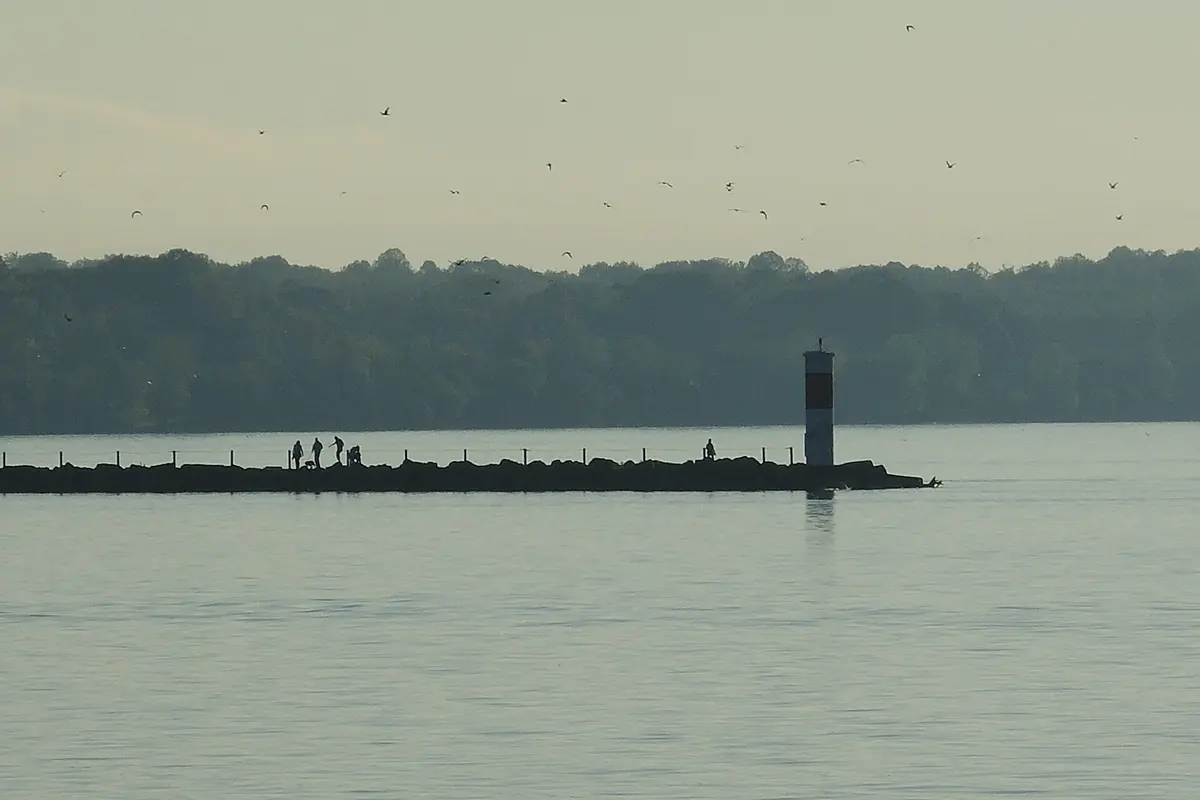
Water frames Irondequoit on three sides: the lake to the north, the bay to the east and the river to the west. Durand Eastman Park stretches along the lake with its beach, wooded hills and small ponds. Seabreeze Amusement Park sits near the outlet where Irondequoit Bay meets the lake. On the bay's west shore, Irondequoit Bay Park West covers about 147 acres of undeveloped land north of Empire Boulevard.
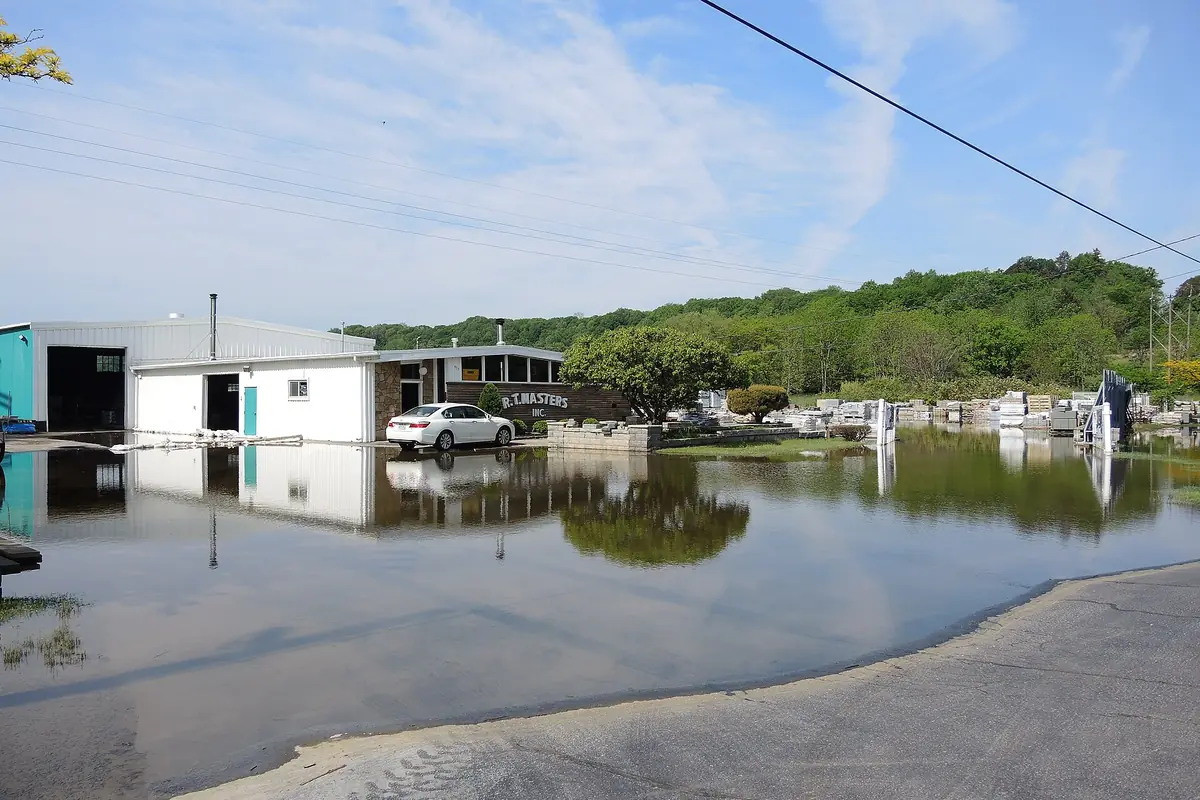
That much water around a town means many homes, particularly on lower ground along Lakeshore Boulevard and near the bay, sit over a groundwater table that rises in wet years. In 2019, when Lake Ontario reached record highs, New York declared a state of emergency for the shoreline, including Lakeshore Boulevard.
Older neighborhoods near the city line
The southern part of Irondequoit, around Titus Avenue, Culver Road and the neighborhoods near the city line, has many homes from the 1920s through the 1950s. Foundations are often concrete block, with some brick and stone in the oldest houses. Footing drains from that period were sometimes clay or early pipe that has since clogged. The result is water at the bottom of the wall, along the floor seam, or seeping out of block cores after long rains.
What Irondequoit homeowners usually ask about
- Water seeping along the floor-wall joint every spring.
- Sump pumps running constantly during wet spells near the bay.
- Damp block walls and white mineral deposits.
- Water pooling against the house from short downspouts or flat yards.
Typical fixes
Interior perimeter drainage. For block foundations with floor-wall seepage, an interior drain under the floor edge feeding a sump is a common answer. See wet or leaking basements.
Exterior drain tile and membrane. When there is room to dig, replacing the footing drain and adding a membrane keeps the wall itself drier. See exterior drain tile.
Sump upgrades and backups. For homes on low ground, a bigger pit, a better pump and a battery backup protect against storm outages. See sump pumps.
Downspouts and grading. The cheapest fix and often the first one, especially on flat lots.
Lake snow and spring melt
Irondequoit's position on the lake also puts it in the path of lake-effect snow bands that come off Lake Ontario in early winter. Snow plowed off driveways often ends up piled against foundations, and roof snow slides off onto the same strip of soil. When a thaw arrives with rain, all of that melts at once over ground that may still be frozen a few inches down. Water cannot soak in, so it runs along the surface until it finds the loose backfill next to the basement wall.
A few habits help: shovel snow piles a few feet away from the house, keep downspout outlets clear of ice so meltwater can escape, and check that the sump discharge line is not buried under a plow pile. If water still appears every March, that pattern points to drainage around the footing rather than a one-time event.
Before work starts
Ask any contractor to confirm that it serves your address, explain the cause it found and put the scope and price in writing. The Town of Irondequoit website lists building department contacts for permit questions. Sump discharge must not go to the sanitary sewer under Monroe County rules.
Nearby
Across the bay, Webster has similar lakeshore conditions along Lake Road. To the southeast, Penfield shares Irondequoit Creek and Ellison Park. See every town we cover on the service area page.
Irondequoit basement questions
Are basements near Irondequoit Bay more likely to leak?
Homes on low ground near the bay, the lake or the creeks that feed them can have a higher water table, especially in wet springs. That does not mean every bayside basement leaks, but it does make sump capacity, backup power and good drainage more important.
My Irondequoit home has a block foundation from the 1950s. What usually fails?
The most common issues are silted or crushed footing drains, water held in the hollow block cores that seeps out at the bottom course, and the floor-wall joint. A contractor can test which one is causing your seepage before recommending interior drainage or exterior work.
Does Irondequoit require a permit for waterproofing?
Some jobs need one, especially structural wall repairs and certain drainage or plumbing connections. The Town of Irondequoit's building department can confirm. Your contractor should know the requirements and tell you who will pull any permit.